Efficient conveyor technology for a seamless material flow – from unit-load handling to fully automated lines.
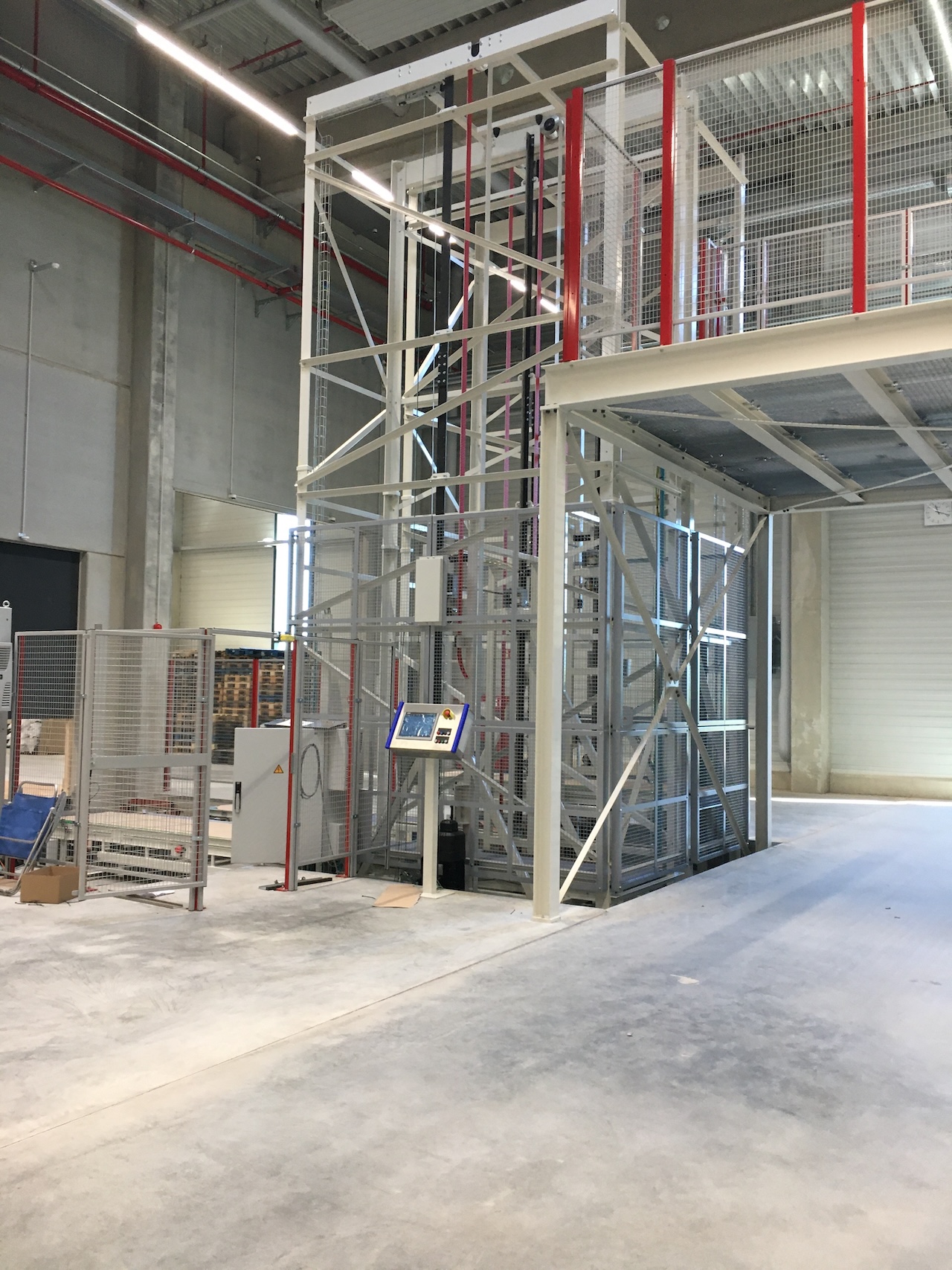
Conveyor technology covers all systems that automatically move unit loads, bulk goods or workpieces within a production or logistics facility – from a simple roller conveyor to a fully networked conveying line. It connects processing stations, storage and shipping areas, forming the backbone of a continuous material flow.
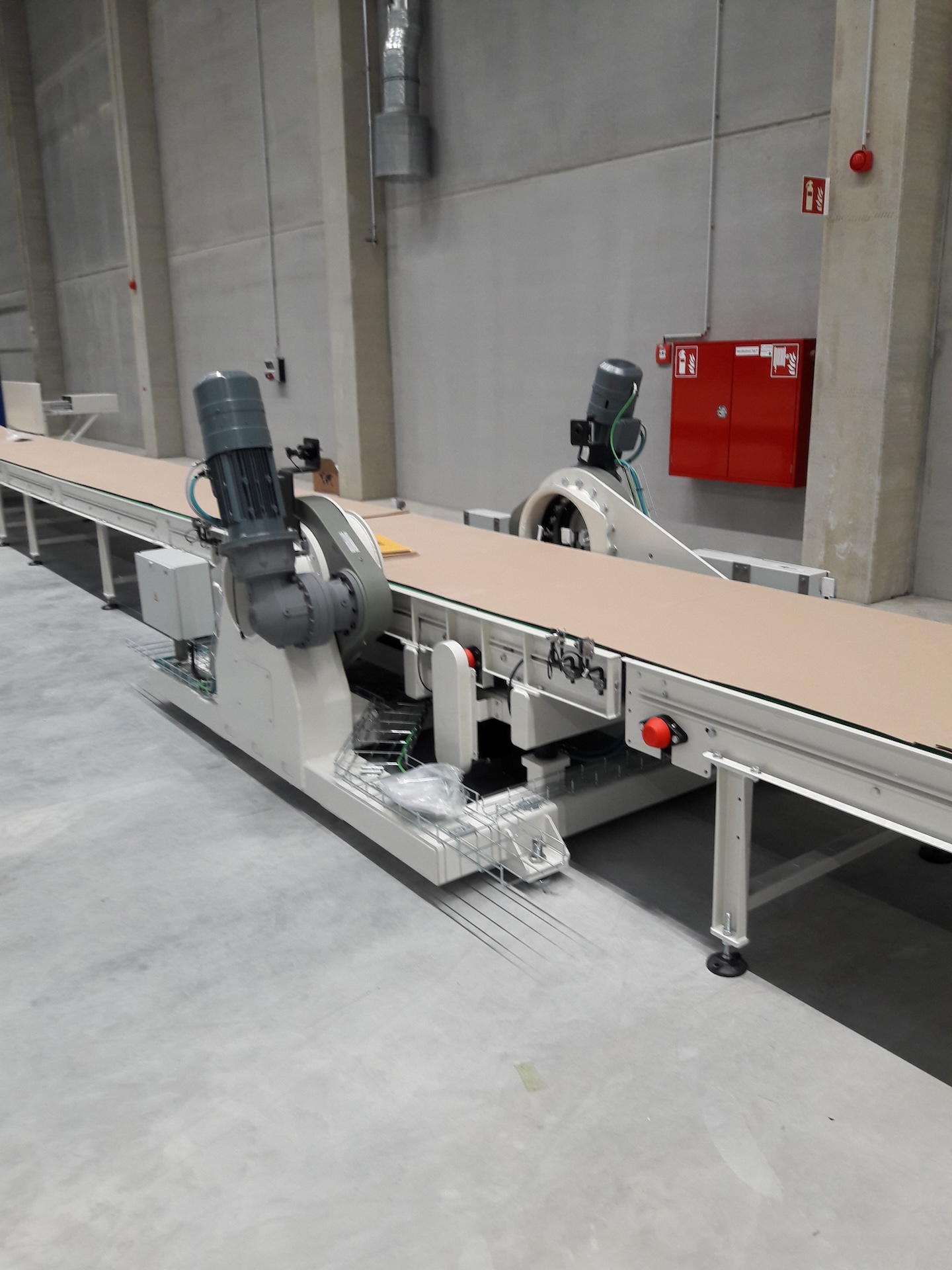
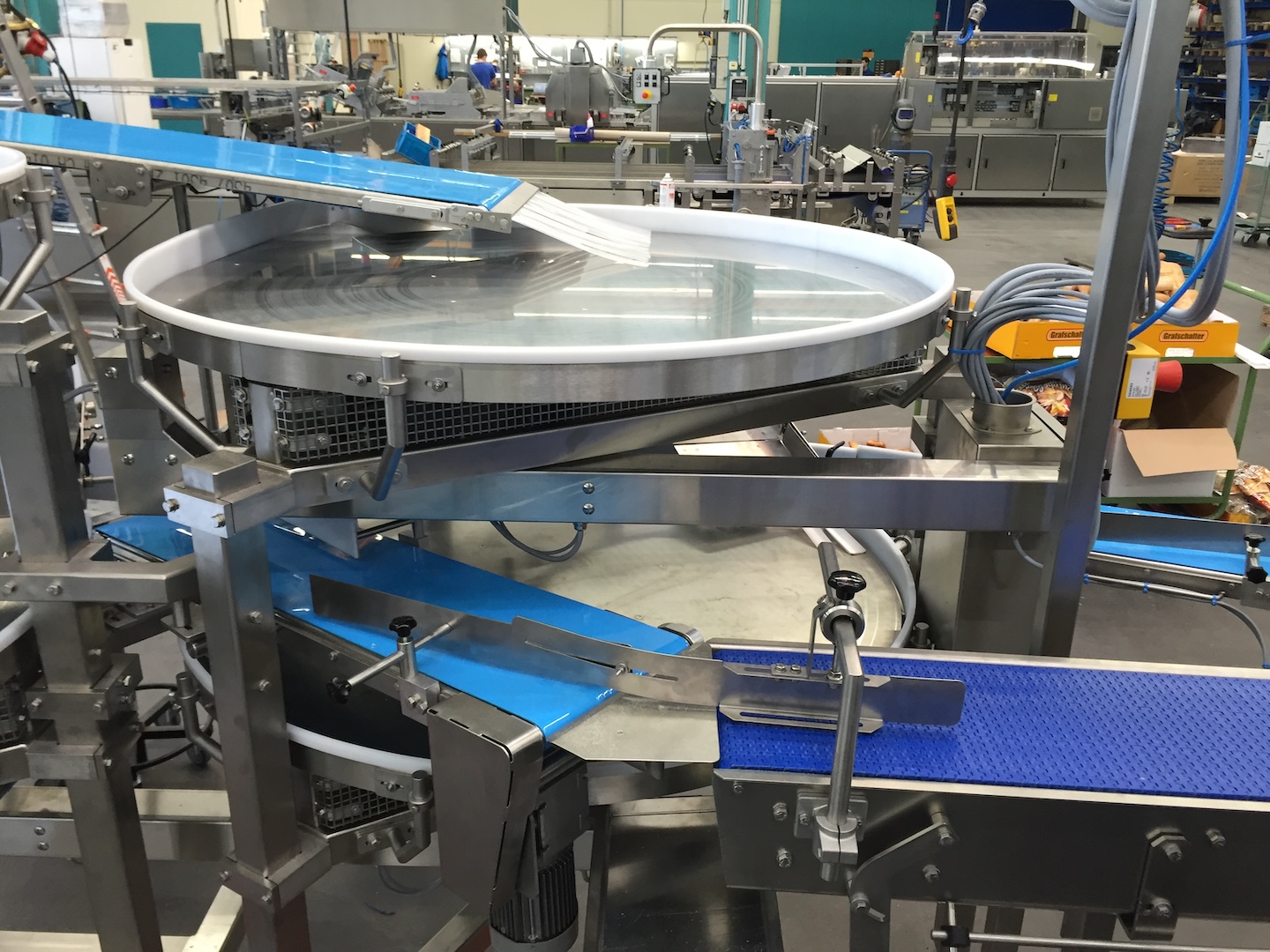
Conveyor technology is used in almost every manufacturing industry: in food production for the hygienic transport of sensitive products, in the building-materials industry for heavy panels and containers, in automotive supply for cycle-controlled material flow, and in logistics to connect order picking and shipping.
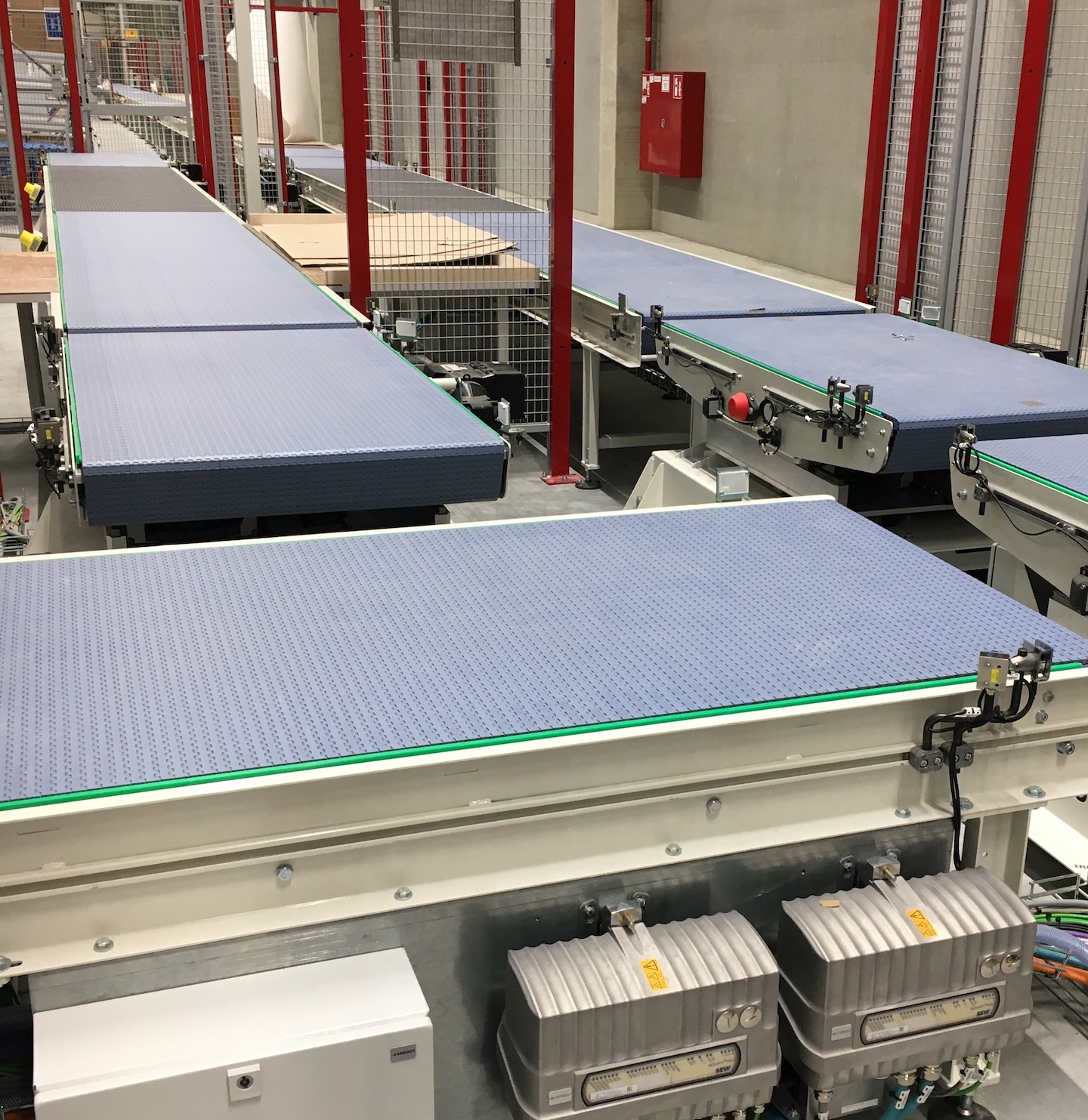
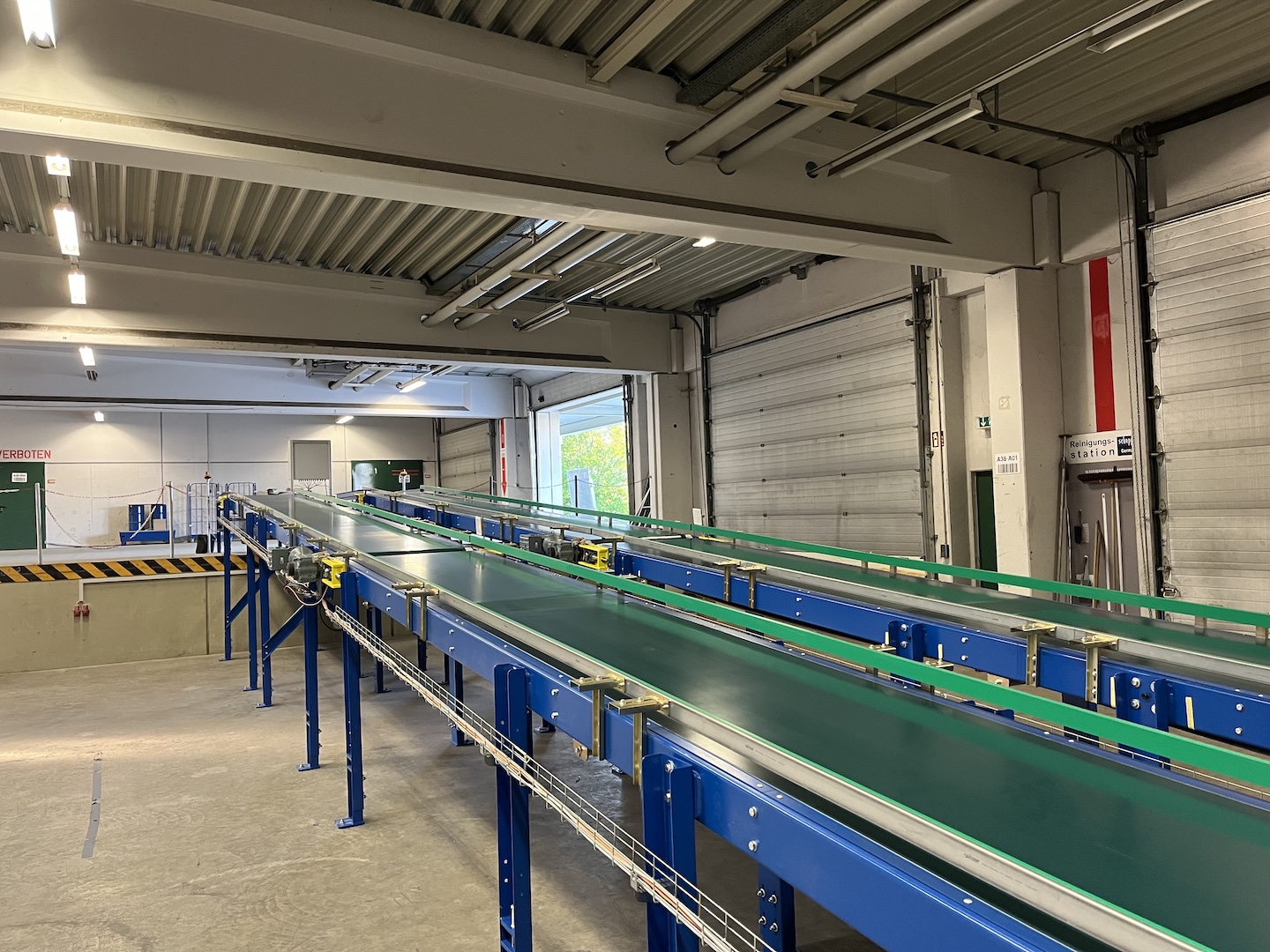
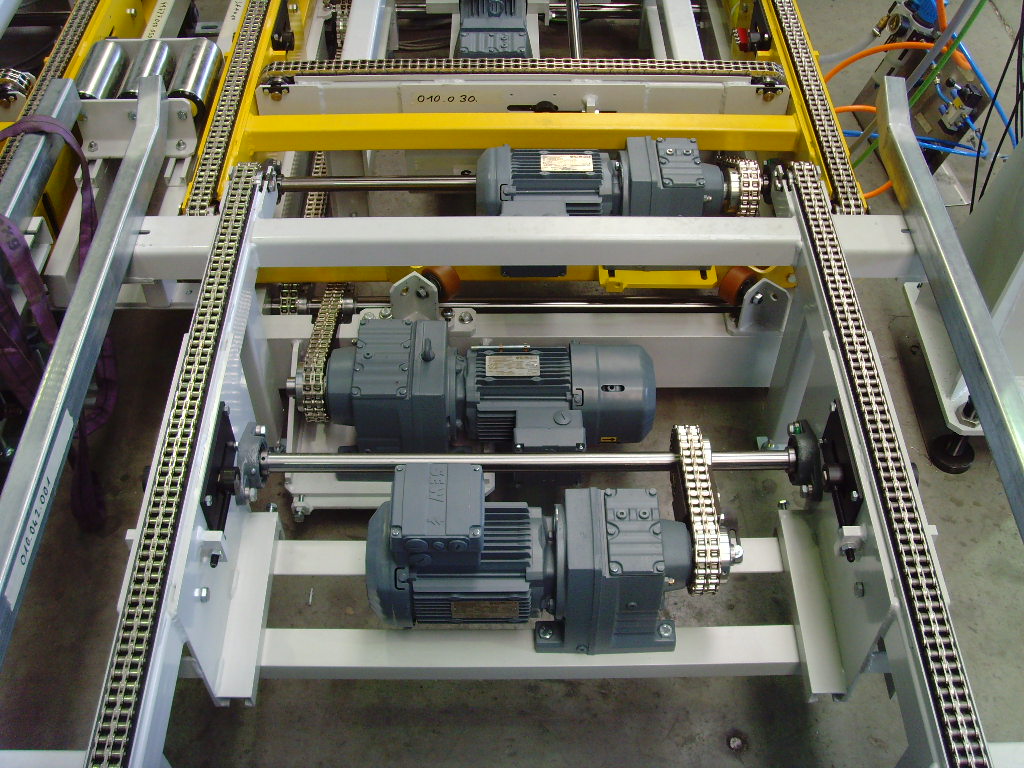
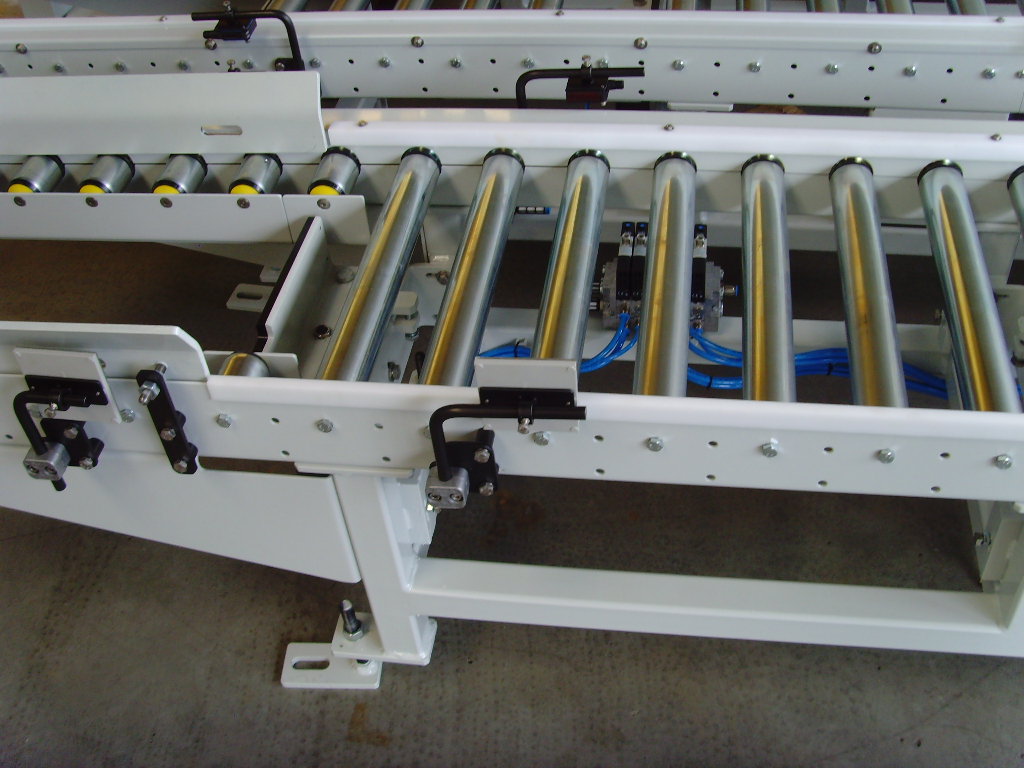
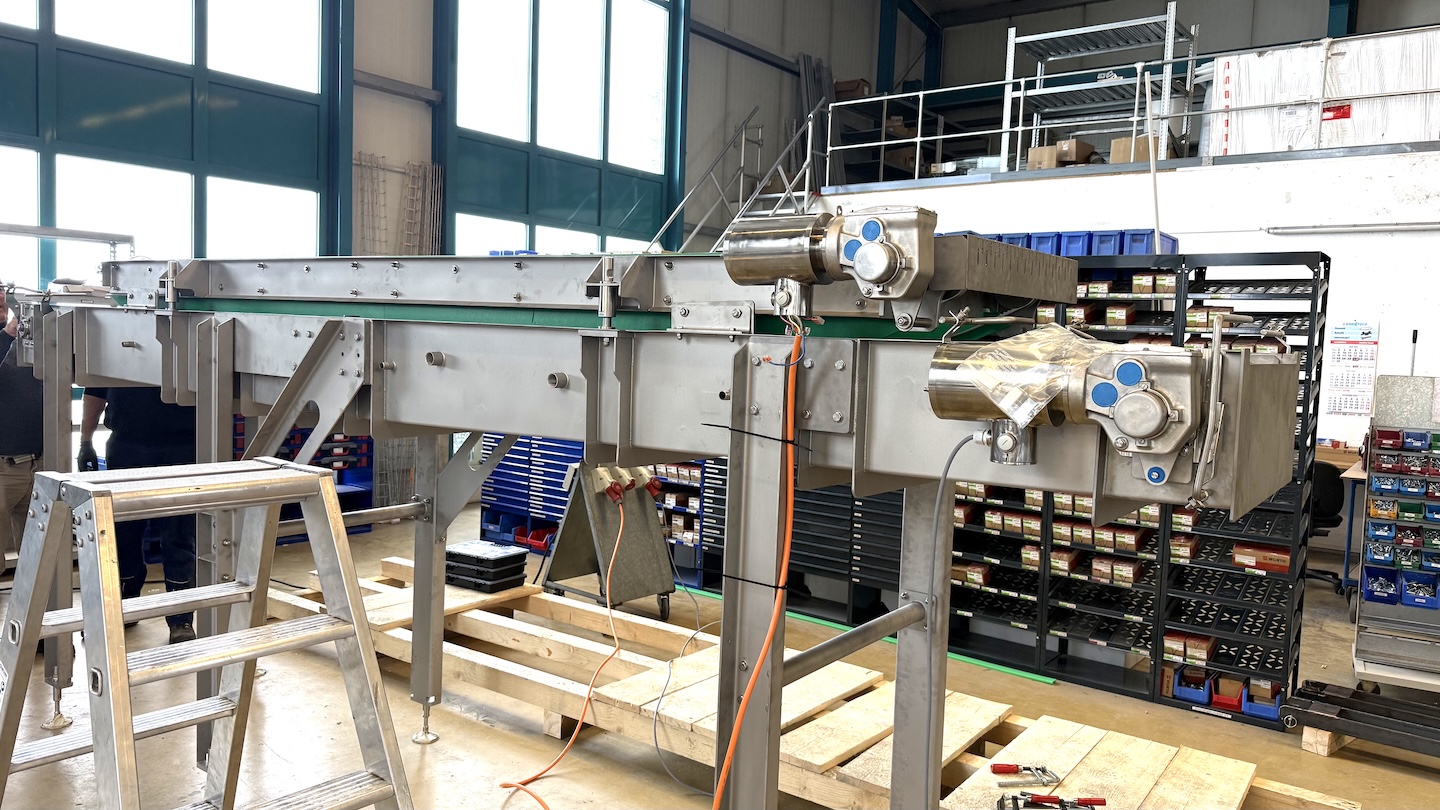
Depending on requirements, we combine roller conveyors, belt conveyors, chain conveyors and custom designs into a continuous conveying line precisely matched to your product range and cycle times.
As a special-machine builder with experience since 1994, we don't supply conveyor technology as catalogue goods, but as an integrated part of your plant. We design, engineer and build every conveying section to match load weight, environmental conditions and existing plant technology — and support commissioning on site.
It depends on the weight, shape and sensitivity of your goods: roller conveyors suit stable pallets and boxes, belt conveyors suit sensitive or irregularly shaped products, and chain conveyors suit particularly heavy loads. During the design consultation, we determine together which conveying technology fits your application.
Yes, new conveyor technology can generally be connected well to existing plants, provided transfer points and connection heights are coordinated. We assess on site how the new conveying section can be integrated into your existing line.
The duration depends on the complexity and scope of the conveying line — from a few weeks for a single roller conveyor to several months for a fully automated, multi-stage system. We provide a concrete timeline after the initial design consultation.